

None Such Farm & Market

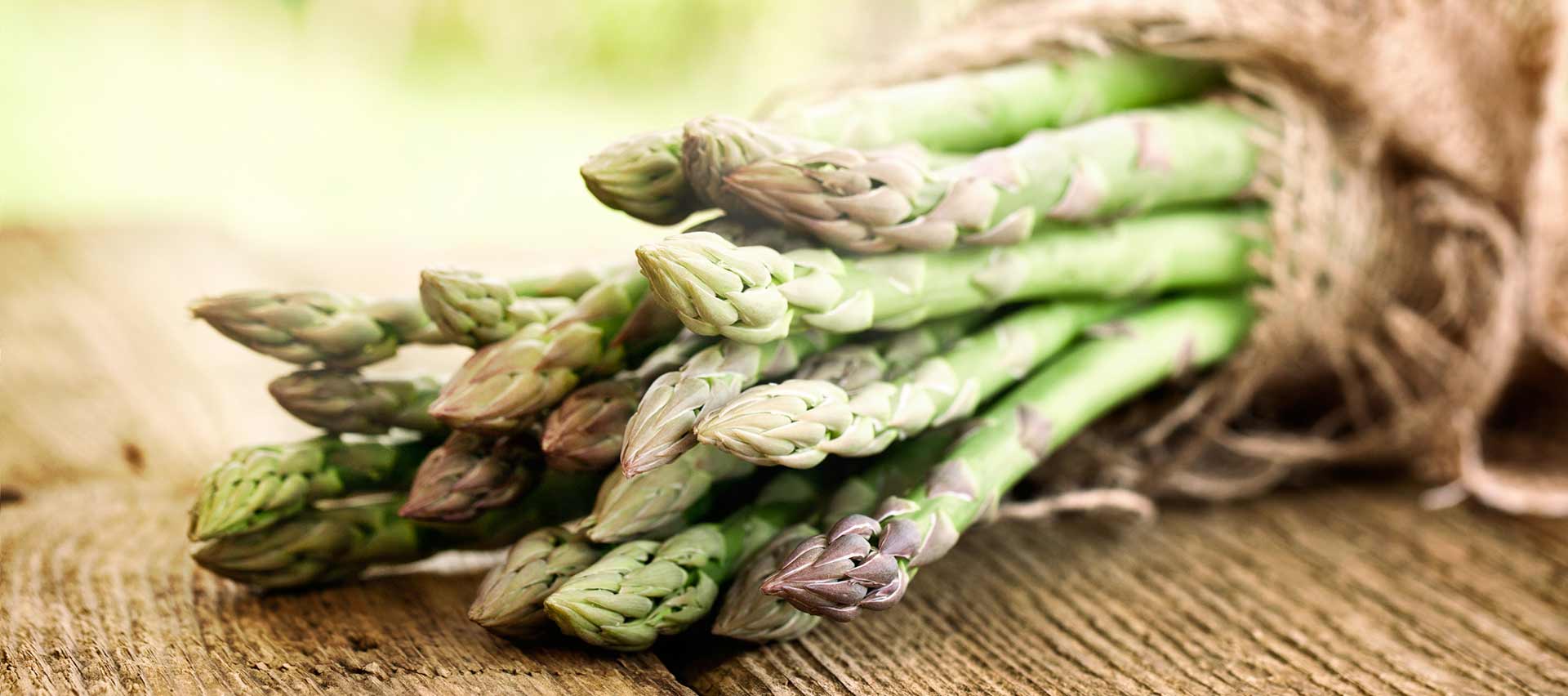
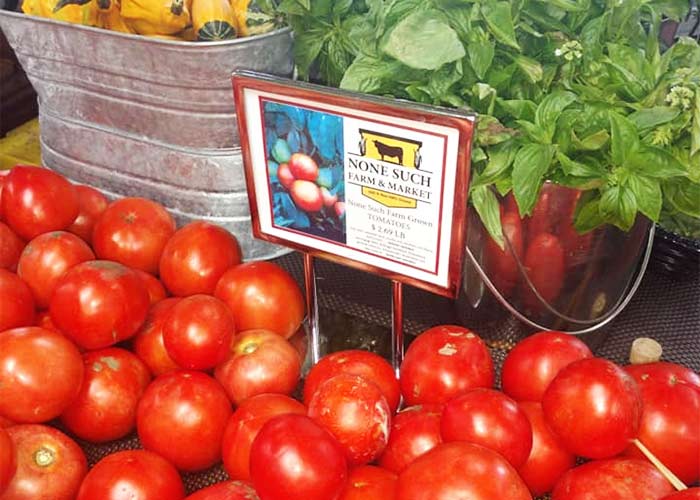
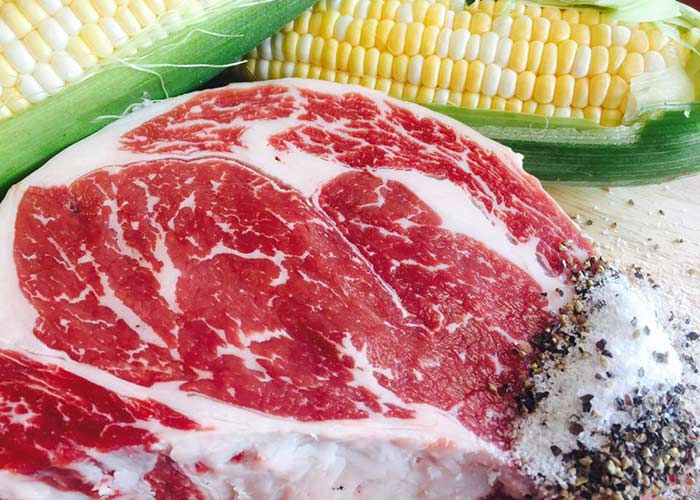
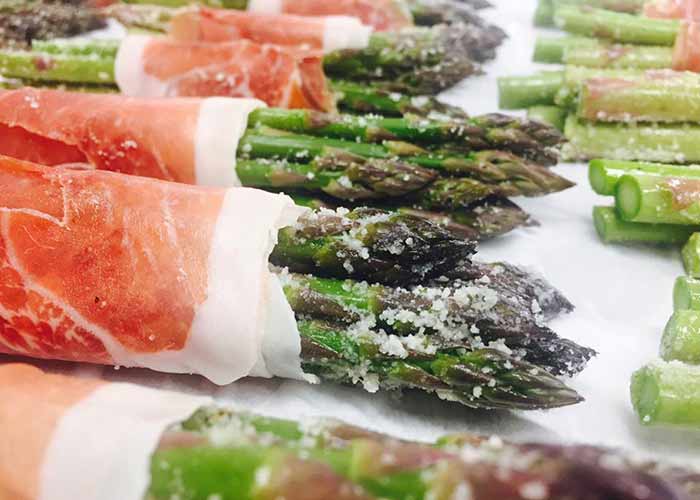
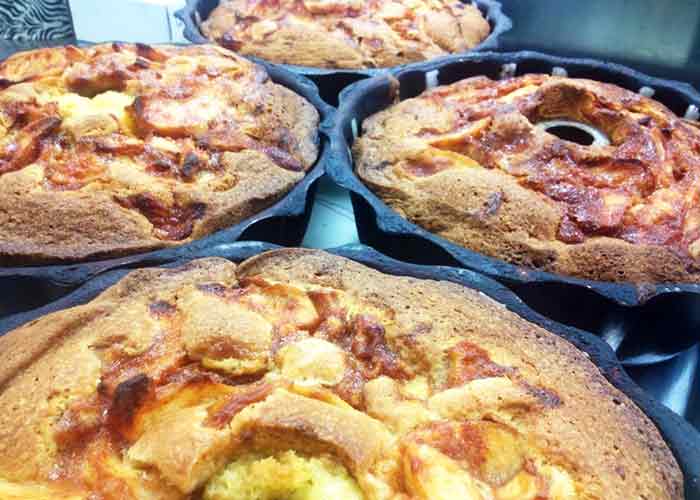
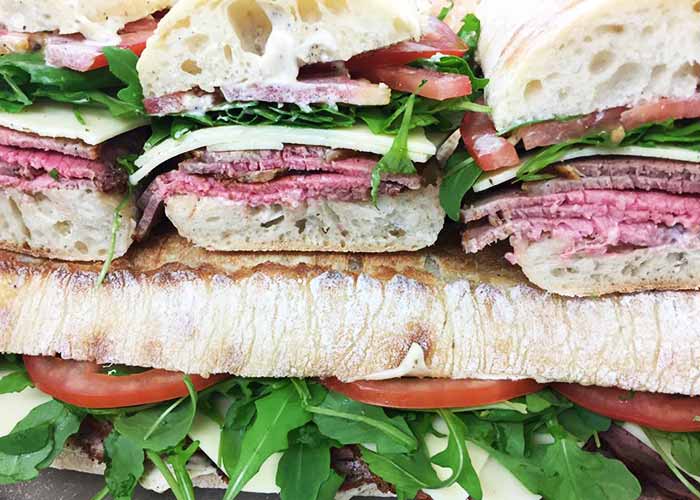
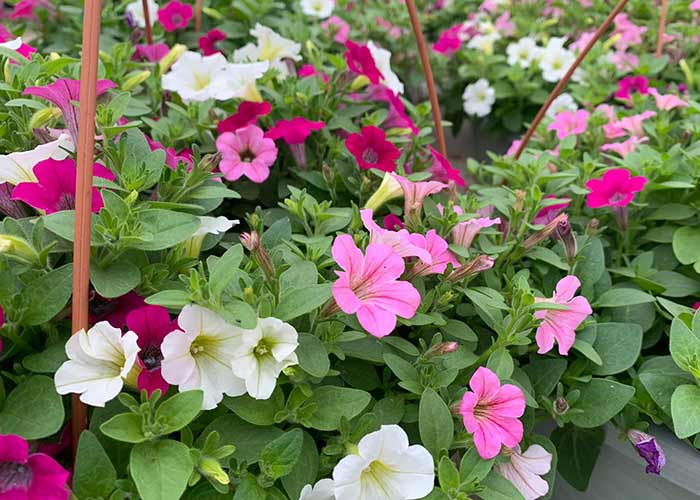
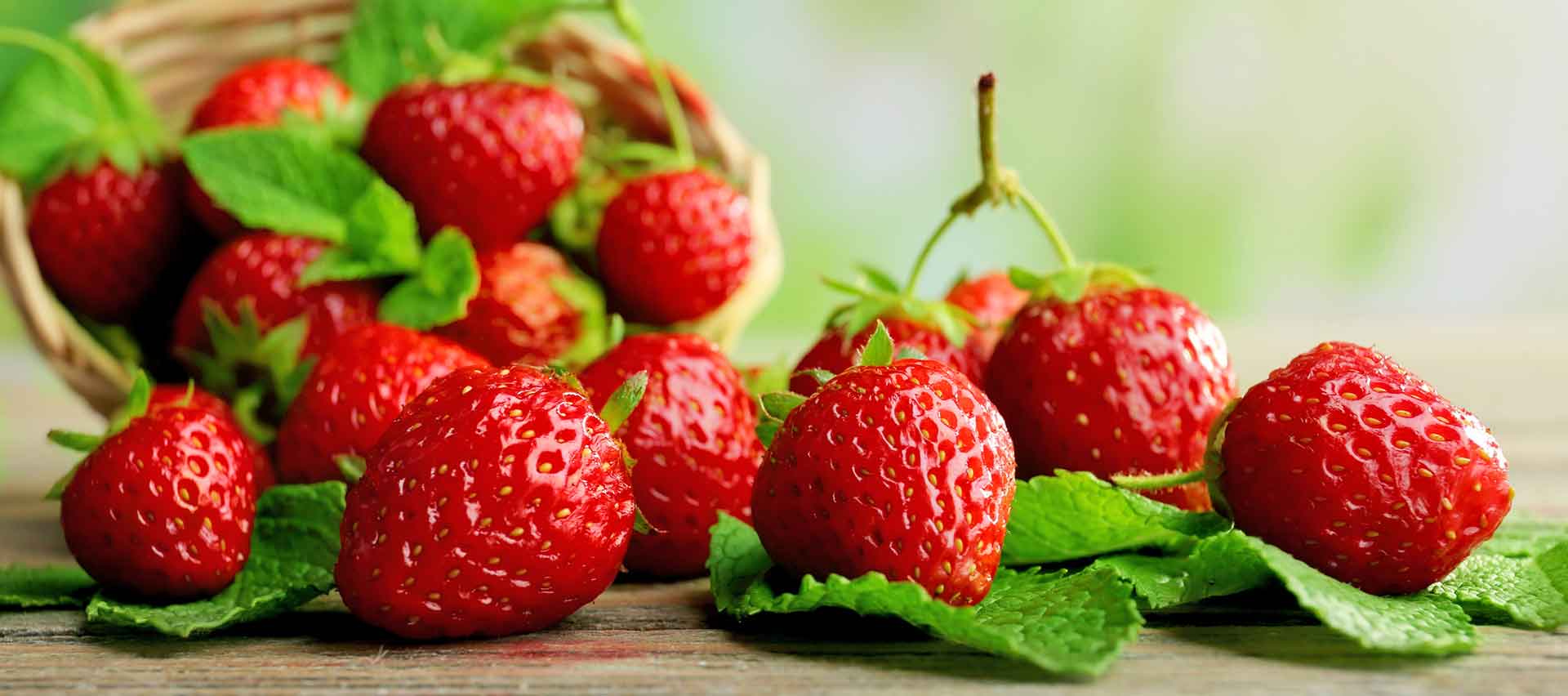
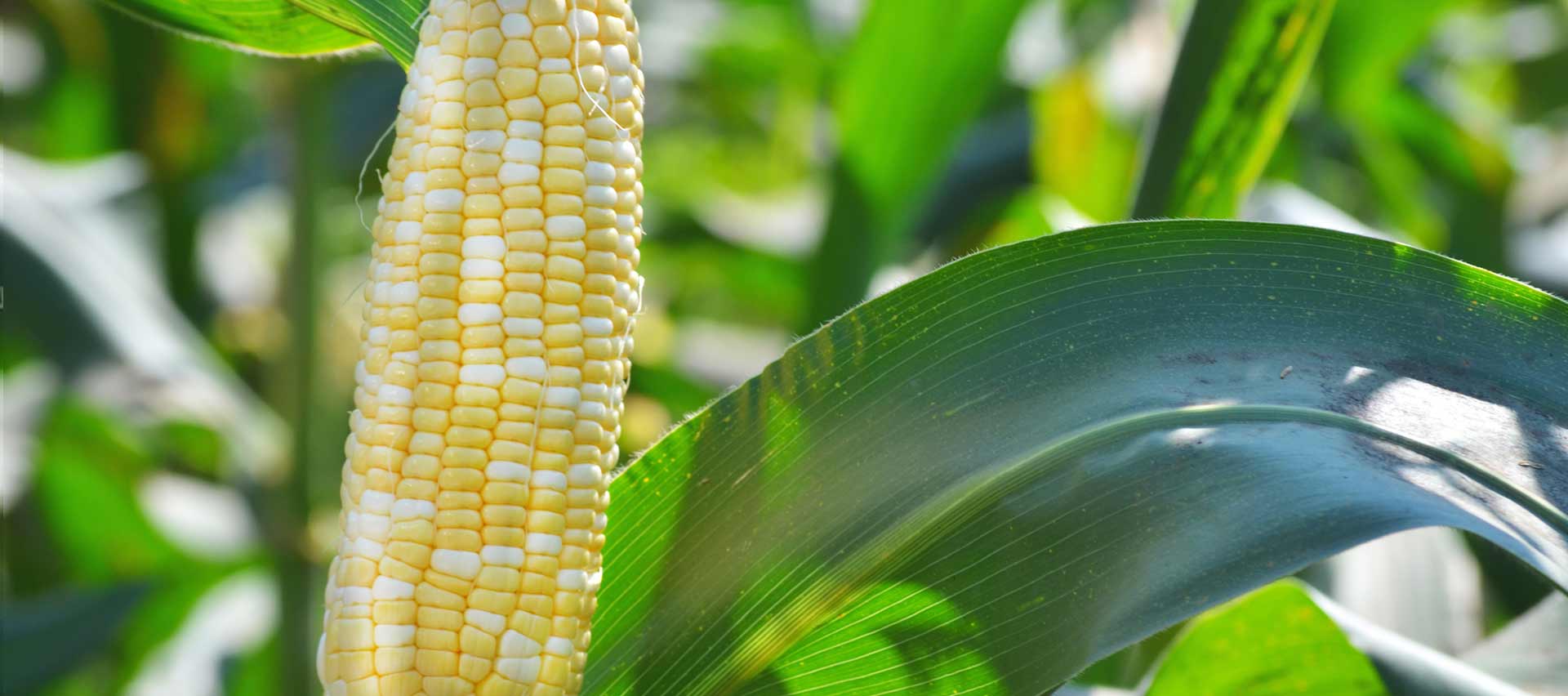
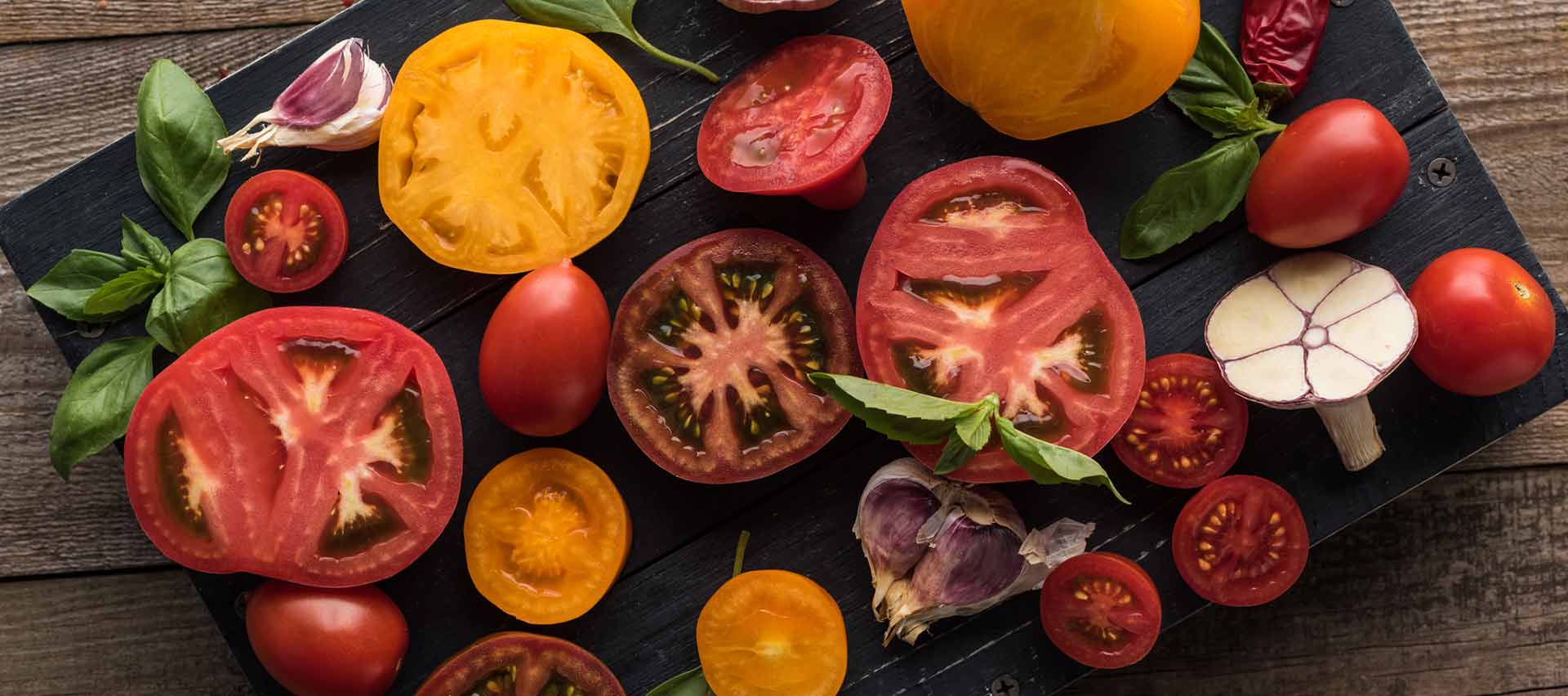
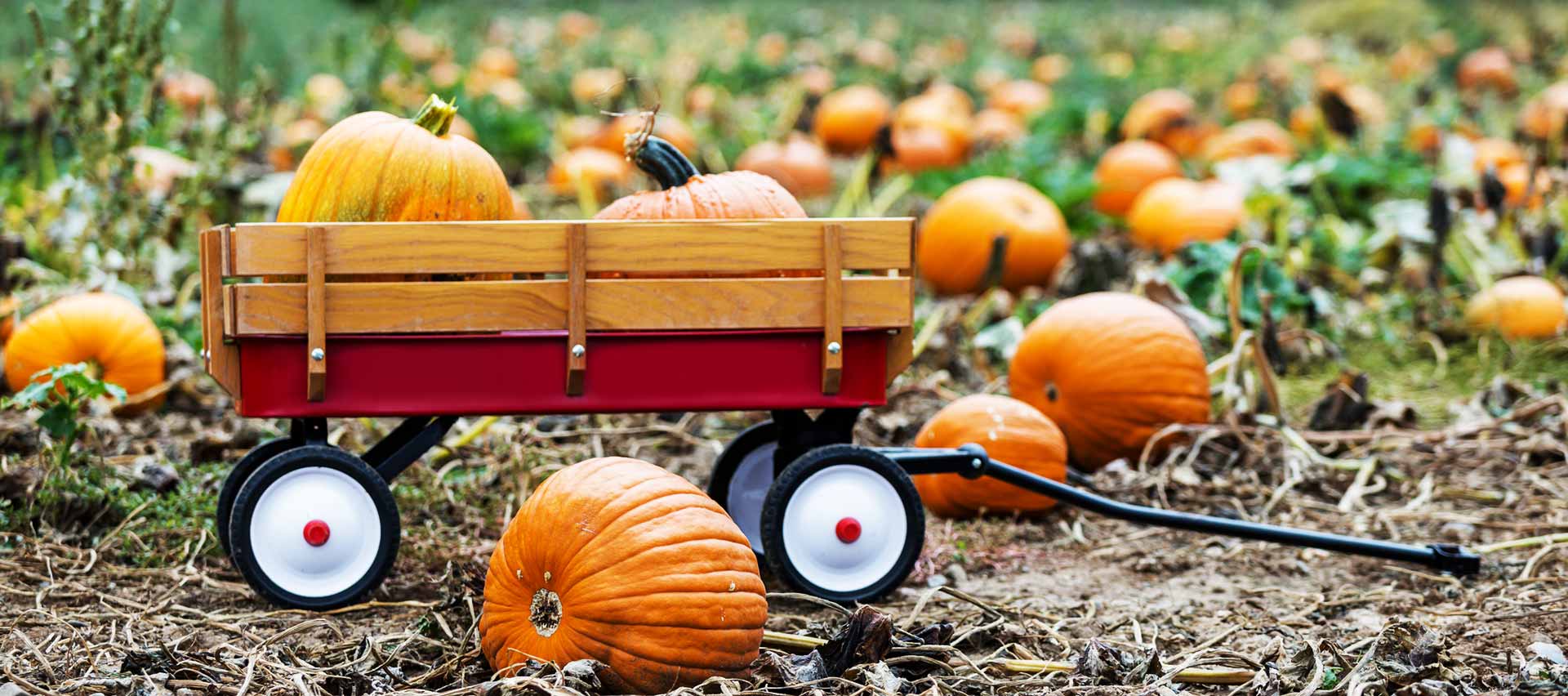
None Such is a third-generation family owned farm and market in Buckingham, PA. The market features fresh produce and meats year-round as well as freshly prepared entrees and sides by talented in-house chef Mark Czajkowski. The farm is a 100% non-GMO producer of Black Angus beef and seasonal crops including herb plants, asparagus, strawberries, sweet corn, tomatoes and pumpkins. None Such Farm beef and seasonal crops are available exclusively at None Such Market. In addition to fresh produce and meats, the market also offers deli, bakery, dairy, frozen and grocery products.






215-794-5201
MARKET HOURS:
Wednesday - Saturday 10am - 6pm
Sunday - Tuesday CLOSED
open during special events



As of 4/21/20 the details of our Curbside Service program has changed.
-We will accept names and phone numbers each morning at our main phone number 215-794-5201. You will be able to pick up your groceries the next day. We know that our phone lines are limited and often customers receive a busy signal based on the volume of incoming calls. The number of curbside orders we can complete each day is also limited so we use the limitations of our phone system to prevent us from taking on much more than we can commit to.
-Once we reach our customer limit for a day, we no longer spend time monitoring our phones. We place a message on our phone system stating that we are full for that day.
-We do not spend time monitoring our email. It is inefficient for us and time consuming in our present circumstances. Please do not be upset if we do not reply to you.
-If you are able to get through during our morning phone name and number taking session, you will be placed on our call back list and given a customer number unique to that day. That number allows us to quickly identify you and saves us valuable time, please remember it if you need to contact us about your order.
-Once you are on our call back list, you will receive a call from an order taker either later the same day or the morning of the next day. It entirely depends on our workload which can be difficult to predict. Our call backs are made from cell phones. You will not be able to identify who the call is from but please answer if you are able.
-When you speak with an order taker, they will be able to answer questions for you. They will have some information about what products are currently in inventory. However, inventory changes rapidly. If an item is not in your bag, or on your receipt, that simply means we were out of stock.
-If possible, please compile a list and have your credit card information available before our order taker calls. We are happy to speak with you but appreciate the ability to gather your information in a timely and efficient way and then be able to speak with the next customer. We will not be storing your credit card information; it will be destroyed after your order has been processed.
-Once your order has been placed with our order taker, it will be shopped. Completion time varies but we will call you once your order is ready for pickup. Your receipt will be stapled to your brown bag along with your shopping list.
-When you arrive at our store for pickup and if there is not a car ahead of you in the parking lot, call this number; 215-589-4539. If there is already a car ahead of you in the parking lot, please do not call because we will ask your name as soon as we finish with the customer ahead of you.
-We are asking for a $20.00 shopping fee for each order. This helps to cover our increased costs. We encourage customers, when able, to plan their grocery lists for less frequent shopping fees.
Thank you!